
 Saturday, June 6, 2026


 Saturday, June 6, 2026


Reg. 7 mental health patients want Dr Harry’s monthly visits restored
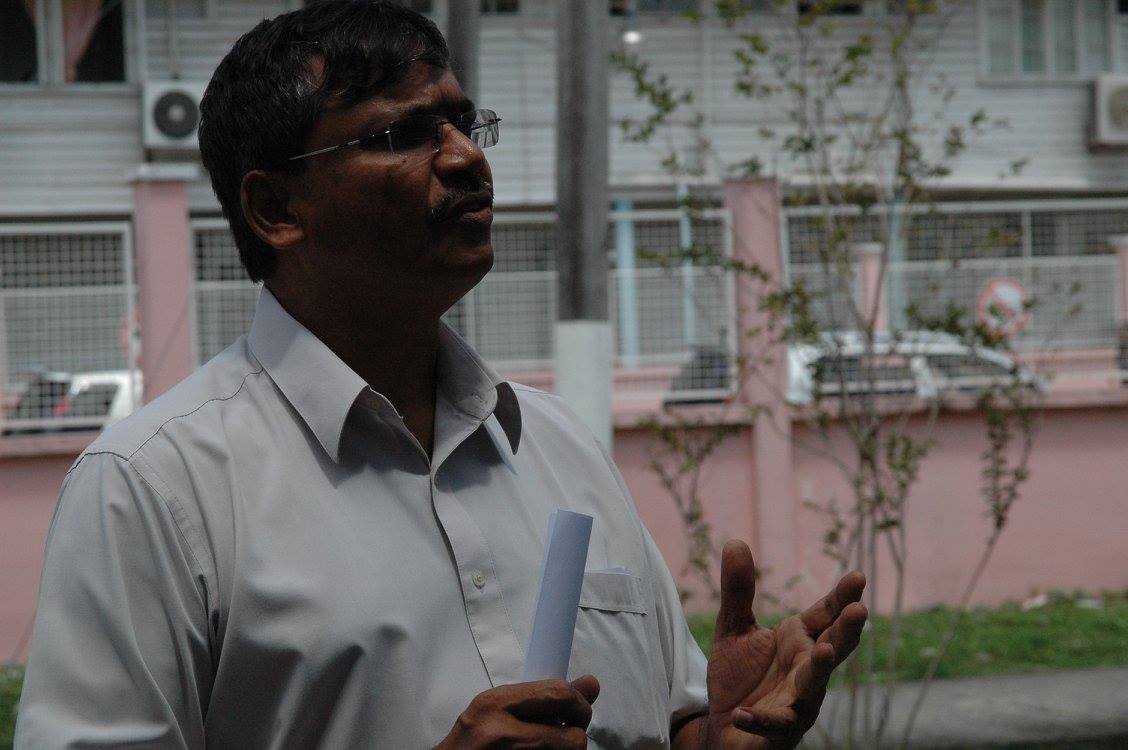


Mental health patients of Cuyuni/Mazaruni (Region Seven) want the Government to restore psychiatrist Dr Bhiro Harry’s monthly visit to the mining area, the Ministry of Public Health (MOPH) said in a press release Thursday.
Currently, the psychiatrist visits the township only four times a year.
The request was made by Dr Edward Sagala, the Regional Health Officer (RHO) who explained that the patients who depend on this service are “suffering”.
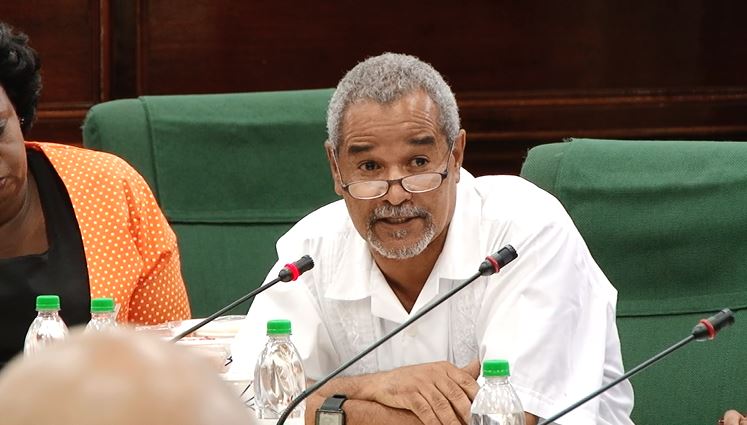
The Ministry said he made the remark while he was delivering a 64-page report at a three-day review meeting of the Regional Health Services (RHS) currently ongoing at the Lake Mainstay Resort in Pomeroon/ Supenaam (Region Two).
Dr Sagala said the patients diagnosed with neuropsychiatric disorders, or mental illnesses, in the region look forward to the visits from Dr Harry’s mental health team.
“It was a good thing which the patients liked since they didn’t have to travel long distances anymore as far as Parika or Georgetown Public Hospital Corporation (GPHC), to receive mental health treatment”, Dr Sagala is quoted as saying in the Ministry’s statement.
The RHO said the monthly clinic has also been “well-received” by mental health patients from Essequibo Islands/West Demerara (Region Three); Potaro/Siparuni (Region Eight) and Upper Demerara/Berbice (Region Ten).
In Guyana, neuropsychiatric disorders are believed to affect some 25 percent of the country’s 750,000 multi-racial population, with women, young adults and ranks of the unemployed being the most vulnerable, the Ministry said.
The Ministry noted that mental health is ranked among the central planks of the government’s overall public health programme.
The MOPH had established a Mental Health Unit which is headed by specialist Dr Util Richmond-Thomas.
Meanwhile, Dr Sagala said the quality of healthcare delivery at the Bartica Regional Hospital has improved since the assigning of eight medical specialists at that institution. These specialists are the General Surgeon, Obstetrician and Gynaecologist, Paediatrician, Internist, Dermatologist, Anaesthesiologist, Orthopaedic/Trauma Surgeon and Radiographer.
The Ministry said during the review period, over 15,000 patients were seen between these medical specialists and over 400 surgeries were performed, “drastically reducing referrals to GPHC which previously was over-burdened.”
In the past specialist care was not available in the hinterland areas except during medical outreaches.
Although a lot has been achieved during the year under review, Dr Sagala said Cuyuni/Mazaruni “continues to face challenges in the areas of human resources, repairs of medical equipment, accommodation for all categories of healthcare providers and the chronic shortage of basic medical supplies”.
Malaria, dengue, gastrointestinal and respiratory disorders, snake bites, accidents, trauma and violence, sexually transmitted diseases (STDs), teenage pregnancy, suicide attempts and conditions related to substance abuse remain major health challenges within the region, the Ministry said.
Some 28,000 to 30,000 persons inhabiting the sprawling interior mining community seek medical attention for hypertension, heart disease, gastrointestinal disorders, diabetes, vector-borne diseases, malaria, dengue, pregnancy-related conditions, skin conditions, snake bites, accidents, trauma, violent acts and mental disorders in that order.
Dr Sagala said the five leading causes of death in Cuyuni/Mazaruni are respiratory disorders, gastrointestinal conditions, neonatal conditions (sepsis, prematurity) multi-factorial (accidents and trauma) and congenital malformations.
Sexually transmitted infections (STIs), teenage pregnancy, attempted suicide and substance abuses are emerging challenges for regional officials, Dr Sagala noted.

