
 Sunday, June 7, 2026


 Sunday, June 7, 2026


16 medical professionals certified to administer birth control methods
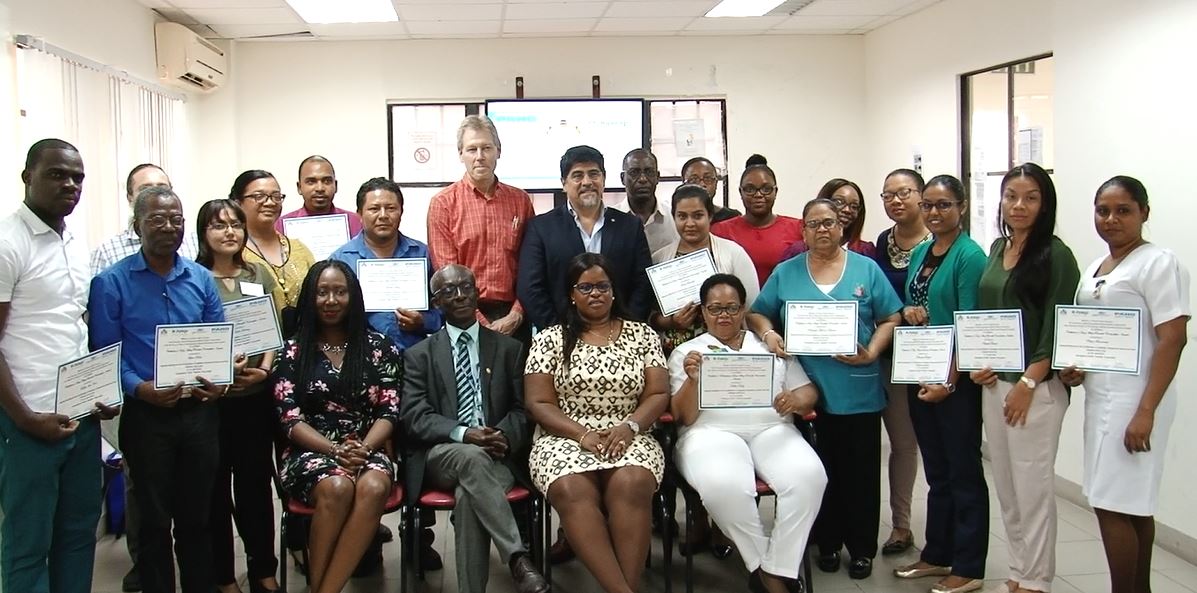


Sixteen medical professionals have been certified to administer implants and intrauterine devices – two long term birth control methods.
The implant is a thin rod about the size of a matchstick which is inserted under the skin of an individual’s upper arm. It releases the hormone progestin to stop women from getting pregnant.
The IUD, on the other hand, is a tiny device inserted into the uterus which can be removed when the person is ready.
The Ministry of Public Health is looking to increase access to implants in the hinterland regions, according to Maternal and Child Health Officer (ag), Dr Oneka Scott.
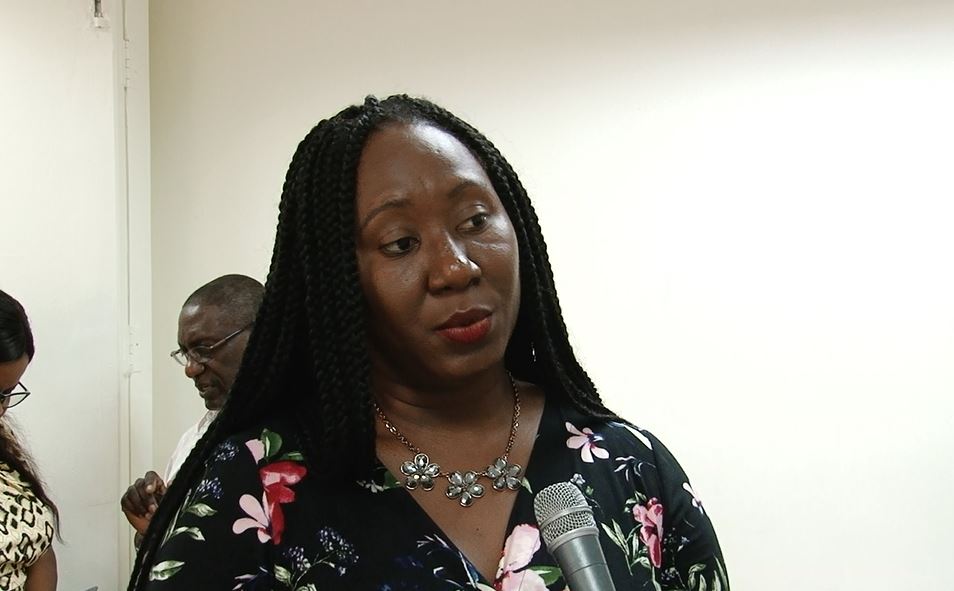
During an interview with the News Room at the sidelines of a simple graduation ceremony held for the professionals at the Georgetown Public Hospital’s Maternity Unit Thursday, Dr. Scott explained that the birth control implants –one which lasts for two years and one which extends for five years – is the preferred method of contraceptive used by the younger population.
The public health system introduced the use of implants and intrauterine devices (IUD) in 2016.
At that time, 21 medexes and midwives were trained across the regions to input the devices but this is the first batch of persons to be certified.
The medical practitioners were trained in counselling patients.
“The selection depends on the individual, there are certain indications that would point the female to an IUD as a better choice as opposed to an implant or maybe condoms with the support of oral contraceptives but the counselling is important. There are certain women who do not fit certain criteria,” Dr Scott explained.
She noted that the fear of needles drives most persons away from getting the injectable contraceptives which are used for up to three months.
“There are detailed questions asked first including a patients’ medical history, if there is hypertension or diabetes and the good thing about it, the participants have been given a wheel of selection criteria so they have a selection tool to help them make that choice whether the implant is for that patient,” she further noted.
The training was done by an affiliate of John Hopkins University.

Country Representative of the PAHO/WHO, Dr William AduKrow noted that between 32 and 34 per cent of persons who wants contraceptives cannot access it and this needs to change.
“We need to get contraceptive on demand,” he told others gathered as he recalled a story of a woman demanding to be given an implant or IUD before she leaves the hospital.
Referring to side effects, it was noted that there may be some itching for the first couple of days but this is normal.
Addressing the small graduation ceremony earlier, Dr Rodolfo Gomez, Regional Advisor CLAP/PAHO, over 30 percent of cases of maternal deaths can be prevented if contraceptives are available to those women.

