
 Monday, June 8, 2026


 Monday, June 8, 2026


Single mother uses climate-smart farming to relieve stress, increase income


Managing a farm under harsh climatic conditions is hard. Being a single parent is hard. Being a full-time teacher is hard. Being a single parent, a teacher, and managing a farm is off the charts but together they bring balance – “I am stress-free, active, and financially stable,” says Patricia.
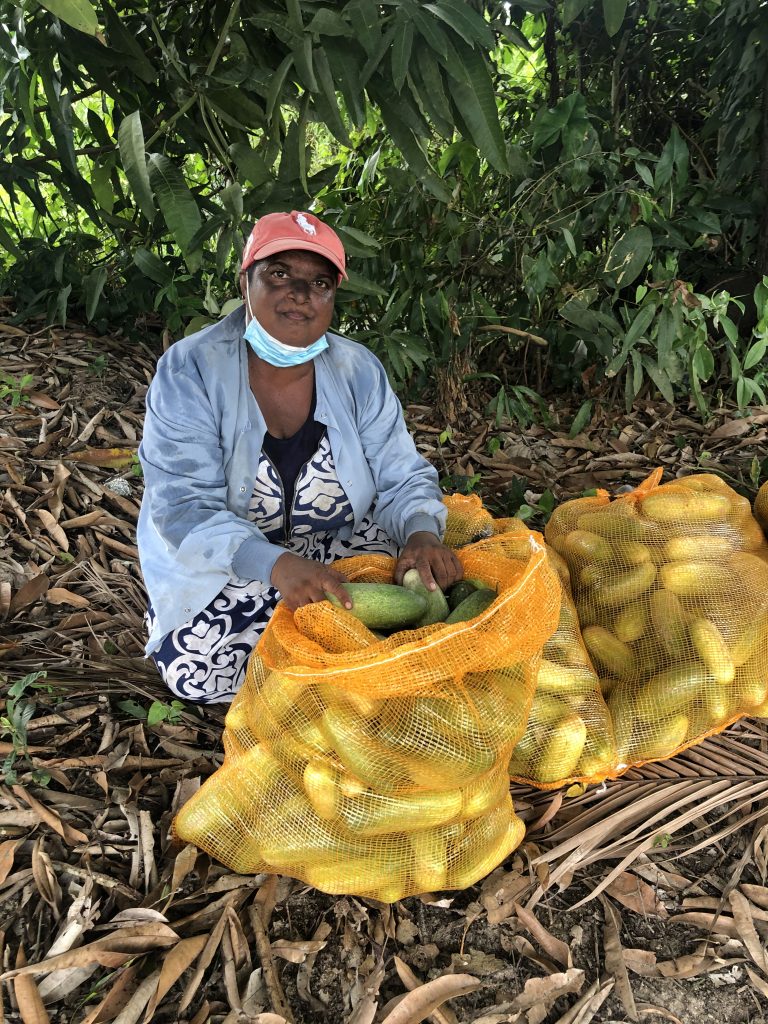
Patricia Persaud is a single parent mother on a mission to be a true example of women empowerment – encouraging women and girls to be economically independent. Patricia and her sons started farming to assist with expenses since her teaching salary was not sufficient. Every weekday from 6:30 am to 8 am, and in the evenings along with weekends and holidays, they will tend to their cash crops of pak choi, ochro, pepper, cucumber, and cabbage.
In 1986, Patricia moved from the Island of Wakenaam to Parika Back. Both Wakenaam and Parika are rural communities that depend on small farming to support livelihood. In Guyana, we say ‘farming deh in me blood’ meaning you are from a place or family with a farming background. In those days, the population in Parika Back was small, the roads were undeveloped, and food crops were cultivated only to meet household needs on smallholdings – subsistence agriculture.
In April 2020, at the beginning of the COVID-19 pandemic, the Food and Agriculture Organization (FAO) and Inter-American Institute for Cooperation on Agriculture (IICA) facilitated a pilot project on Climate Smart Agriculture for farmers in the Parika/Namryck communities of Guyana. These communities are prone to floods while the rising temperatures and changing precipitation patterns increase soil vulnerability. Added to climate variability are pests and crop diseases and increased atmospheric carbon dioxide all of which add more stress to small farmers.
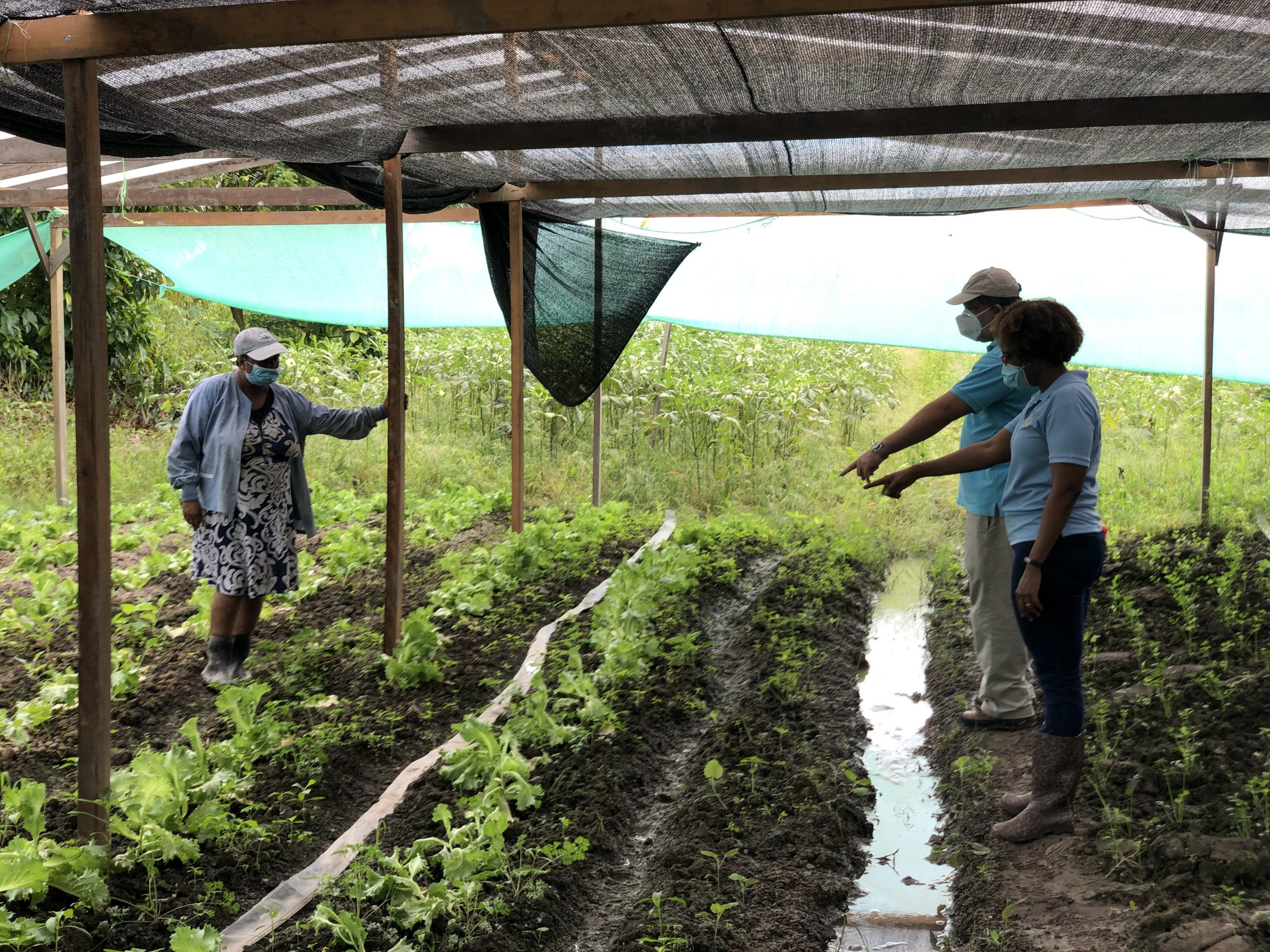
The FAO-IICA pilot offered an affordable greenhouse solution known as a shadehouse that is effective on a small, sustainable scale to mitigate some of the effects of climate change and provide strategies for smallholder farmers to adapt to the changing environment. Greenhouses cannot reverse climate change, but they are well suited to increase the adaptive capacity for sustainable farming by jointly addressing food security and climate challenges.
Globally, almost 3 billion people depend on small-scale agriculture for their livelihood whether directly or indirectly, while three out of four people in developing countries live in rural areas. Small-scale rural farmers play a pivotal role in agri-food systems and with highly varied income, land sizes, assets, and gender inequalities; they are considered the most vulnerable groups.
FAO’s programmes in Guyana are targeting small farmers in rural communities to help them to maximize their potential by providing strategies to increase and diversify their production, improving the quality of the products to support better access to markets, building resistance against climate change, and supporting gender equality. FAO’s work also supports the sustainable use of natural resources, especially by small farmers who are often heavily dependent on these resources. Embracing new technology such as shadehouses helps to give people like Patricia an added advantage in resisting climate change and meeting several sustainable development goals.
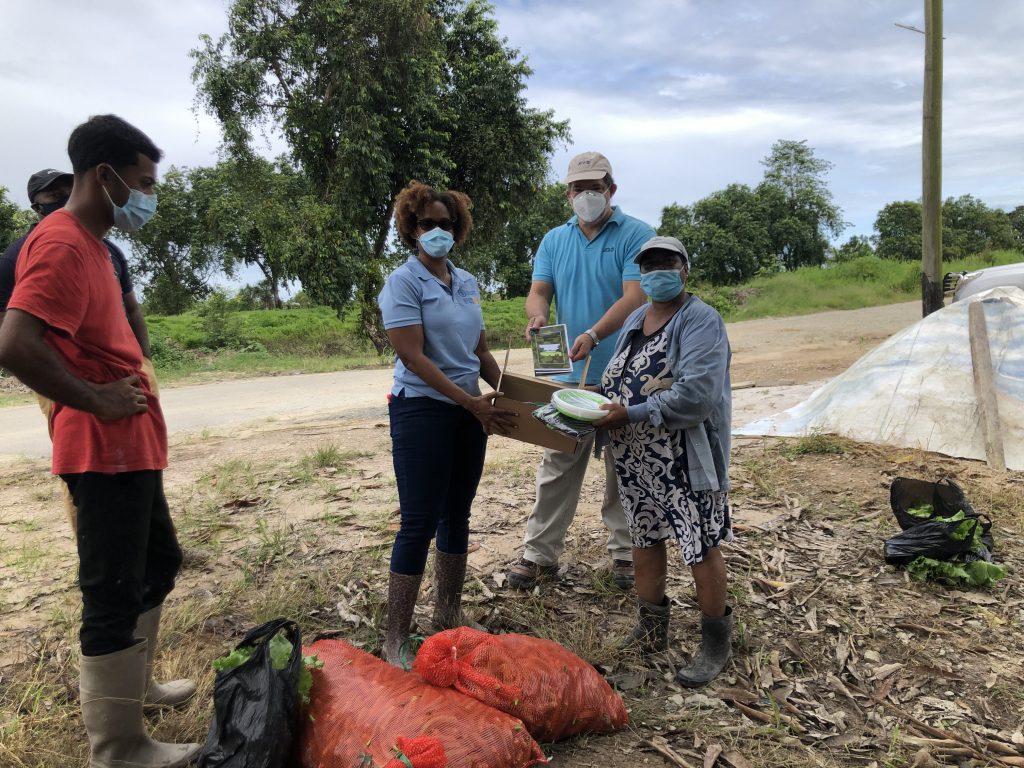
Patricia was a beneficiary of the shadehouse farming solution and was able to pursue her dream to plant lettuce, celery, and broccoli, which are delicate crops that require shadehouse type technology. During the pandemic, moving produce from farm to market was restricted and the market price for cash crops became very expensive. For farmers like Patricia, the traders come to her farm for the produce, and with the shadehouse, the crops grew better and healthier, the harvest was bountiful and so were the earnings.
Patricia’s message is, “farming is a good experience, when the price is right the benefits are rewarding, but it is a luck and chance and you must have patience and keep planting.”
“Monitoring the market prices is also very important to avoid huckster hustle”, she noted. The term used to describe the way traders will use different strategies to get you to sell your produce at the cheapest price then resale at excessively higher prices.
Patricia is looking forward to her retirement in the next two years when plans to expand her shadehouse to facilitate a larger cultivation of lettuce, celery, and broccoli and is thankful for the technical assistance provided by FAO and IICA to improve resilience to climate change while creating a better livelihood for her family.
(By Dr. Gillian Smith, FAO Representative in Guyana)
