
 Saturday, June 6, 2026


 Saturday, June 6, 2026


Costly surveillance devices now required on Guyana fishing boats in Suriname
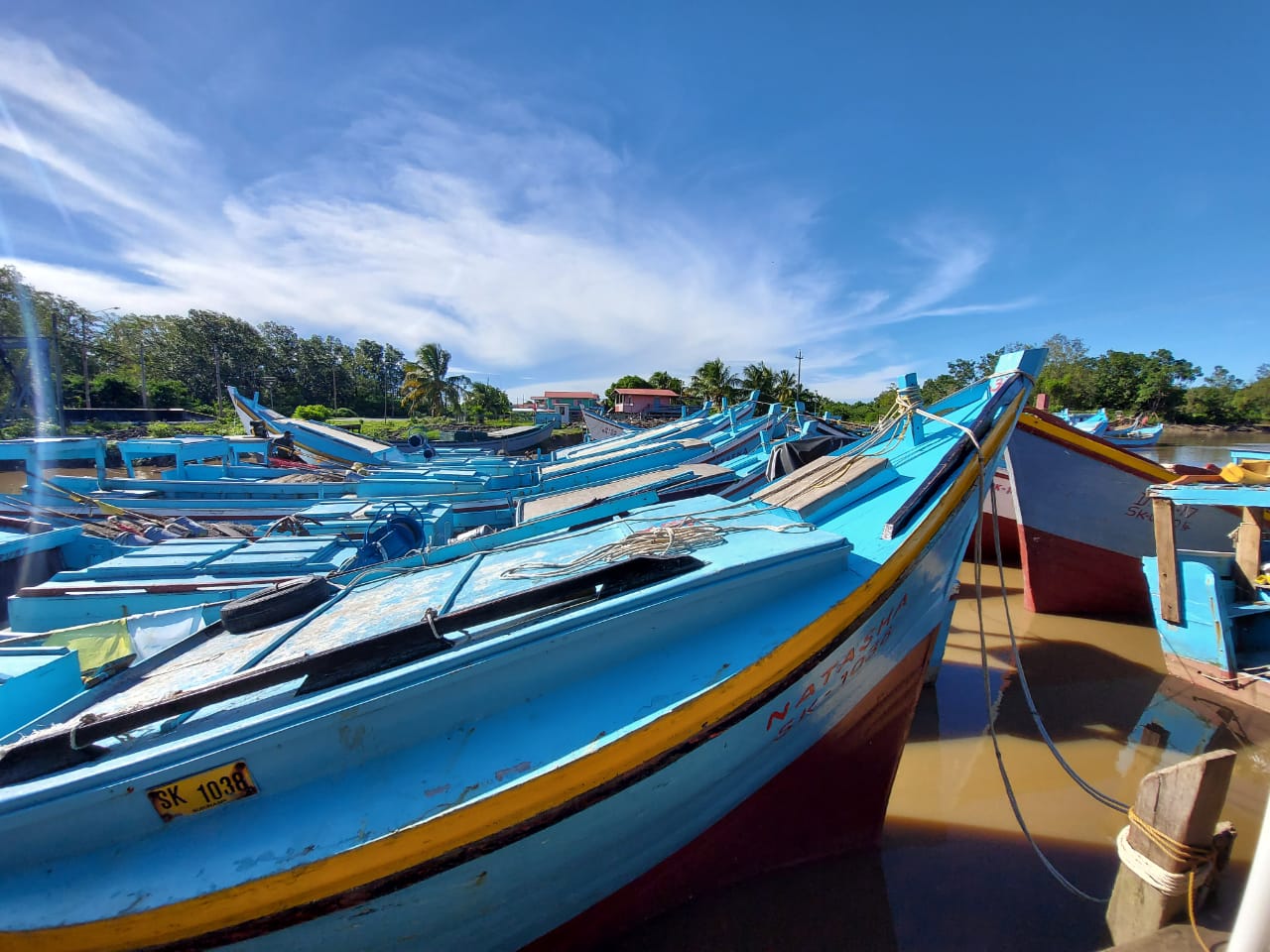


Guyanese fisherfolk, who usually ply their trade in Surinamese waters, are now being asked to install costly surveillance devices on their fishing vessels. They are also being asked to leave their vessels in Suriname, raising concerns about the safety of their vessels there.
This is according to the Chairman of the Guyana National Fishing Folk Organisation Parmeshwar Jainarine, who spoke to the News Room on Tuesday.
Based on Surinamese law, fishing licenses are only granted to citizens of that country. Guyanese fisherfolk have, however, been fishing under an exploitative, unsanctioned arrangement wherein they rent the licenses from the Surinamese.
Now, however, Jainarine said that the Surinamese are asking for a US$500 (GUY$100,000) surveillance device to be installed on all boats- no matter the size. And those boats must remain moored in Suriname.
“… they taking US$500 to install the device, then you have to pay a rental of US$30. All that cost got to bear by the Guyanese,” he explained.
It is not only the cost of the device that is concerning. Jainarine explained that these devices are now being used as a tool to guarantee that Guyanese boats remain in Suriname- a move that the local fisherfolk are against.
The device is a satellite surveillance system primarily used to monitor the location and movement of the vessel it is attached to. It uses satellite and cellular-based communications from onboard transceiver units which send position reports that include vessel identification, time, date, and location, and are mapped and displayed on the end user’s computer screen.
“They (Suriname renters) don’t have boats so now they are trying to say that we have to take the boats and park it in Suriname so they can show the Suriname authorities, the license people them that is them, so that’s why they want the boat to park,” Jainarine said.
Without trusted security, Jainarine noted that the local fisherfolk are concerned that their vessels may be damaged or tampered with.
“In Suriname, they don’t have nowhere for us to safely moor our boats. Over 100 boats would have to go from Guyana and permanently moored in Suriname. They don’t have a place to put them.
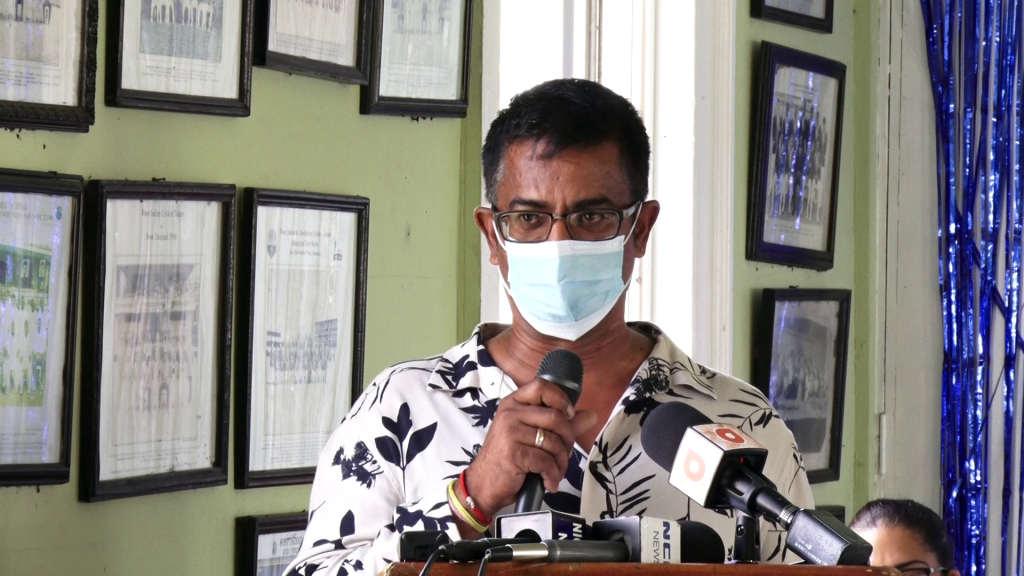
“… There are a lot of issues, the safety of the boats is not guaranteed, if you park your boat in Suriname and the rope happens to lose? If your boat loss, people gone come and take it away,” Jainarine lamented.
Yet another issue is that if these boats remain in Suriname, the Guyanese fisherfolk would now have to find alternative transportation to get back to Guyana.
To counter longstanding challenges of Guyanese fisherfolk plying their trade in Suriname, the Surinamese and Guyanese governments have been engaging each other. Some 150 licenses were promised to Guyanese fisherfolk so that they would not need to engage in the ongoing exploitative arrangement.
Even with the assurance of the government that Guyanese fishermen will be able to access these licenses there has been a pushback by Suriname, Jainarine said.
Based on media reports in the neighbouring country, however, the Surinamese government has faced some pushback from private sector players, and concerns from opposition members.

