
 Saturday, June 6, 2026


 Saturday, June 6, 2026


Sargassum: Local biologist says Guyana should explore potential
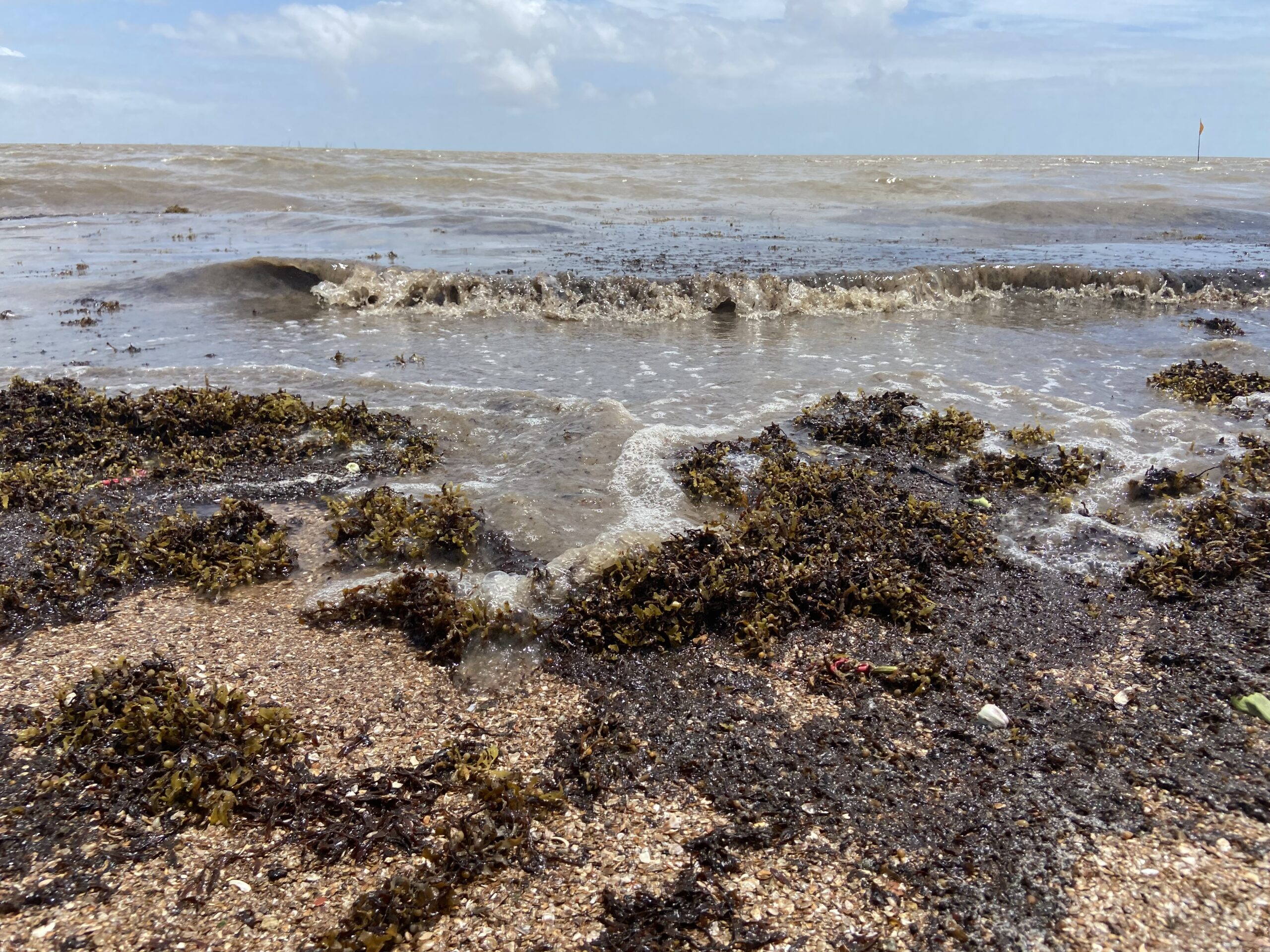


High concentrations of the Sargassum seaweed has washed up on the shores of Guyana and according to Maria Fraser, a local marine biologist, the authorities must explore its potential to improve soil and bio-fuel components.
During an interview with the News Room, Fraser, who is attached at the Ministry of Natural Resources said the University of Guyana or the Ministry of Agriculture should conduct experiments using the decayed sargassum to improve the soil for crops to grow.
“Guyana is a land of many resources.
“We need people to do a lot more research on this though.
“…Sargasum contains nitrogen, phosphorous and potassium. These are NPK compounds that are needed for plants.
“Any lab here who has interest in the algae can take a few of it, dry it, process it and mix it with other soil types to see how best it can be used,” Fraser suggested.
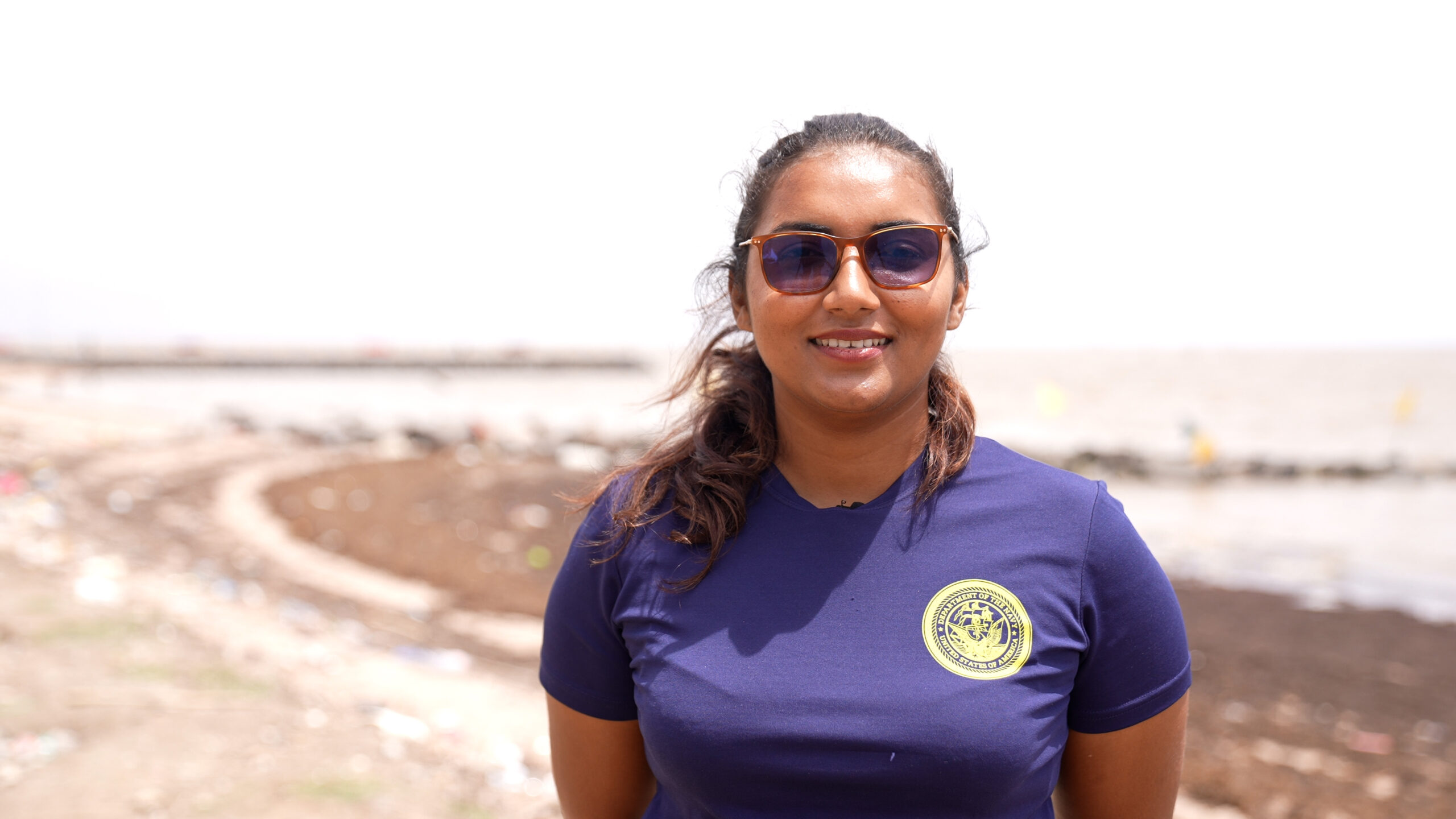
Proactive ways to tackle the sargassum is to trap it before it gets to the shore. In Cancun, it is gathered and taken to onshore processing plants, and transformed into fertilizer, fuel, or bioplastics.
With several countries seeing greater amounts of the seaweed washing ashore, Fraser said considerations of how the country can benefit from the seaweed should be a major focus.
Sargassum has gradually travelled from the Sargasso Sea and formed an Atlantic sargassum belt, estimated 5,000 miles wide, as the seaweed continues to bloom and enter the Caribbean. Several islands have reported on the massive amounts of Sargassum that have been observed. This is worrying because of the stench and unappealing sight of the decayed seaweed.
The live seaweed, layered like golden mats on the surface of water, has bubble-like formations in its stems that keep it floating on the surface. It provides a safety base and breeding ground for fish, turtles and other marine life.
“Algae are basically small plan like structures that are food or hosts for many marine life,” Fraser explained.
But on the other hand, the decayed sargussum washed up on shores in many countries has a rotten egg-like smell that makes persons nauseous and get headaches.
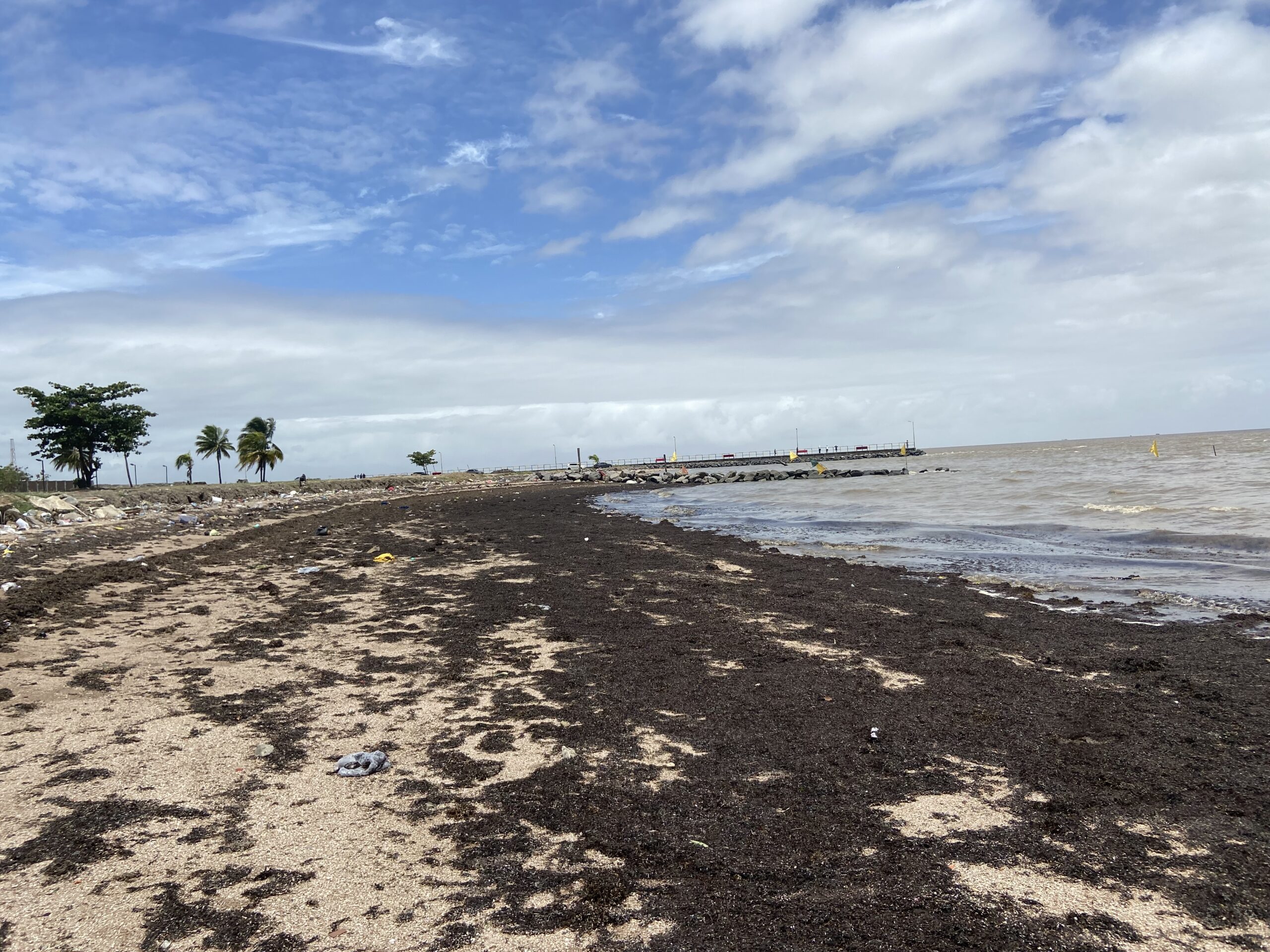
“Sargassum has been present along the coast of Guyana for years but in this abundance, it is a lot especially for this season of the year.
“As you can see here along the coast of Guyana sargassum has a bad smell, its unsightly especially for tourism,” she said.
As a result of climate change it is expected that it will continue to wash up throughout April until August as it tries to photosynthesise. During this time, however, the seaweed covers the surface of the ocean, suffocating the microorganisms below.
Additionally, fisherfolk have complained that the seaweed gets trapped in their nets, causing low catches.

