
 Saturday, June 6, 2026


 Saturday, June 6, 2026


New species of plants, animals found in Guyana after largest- ever local expedition
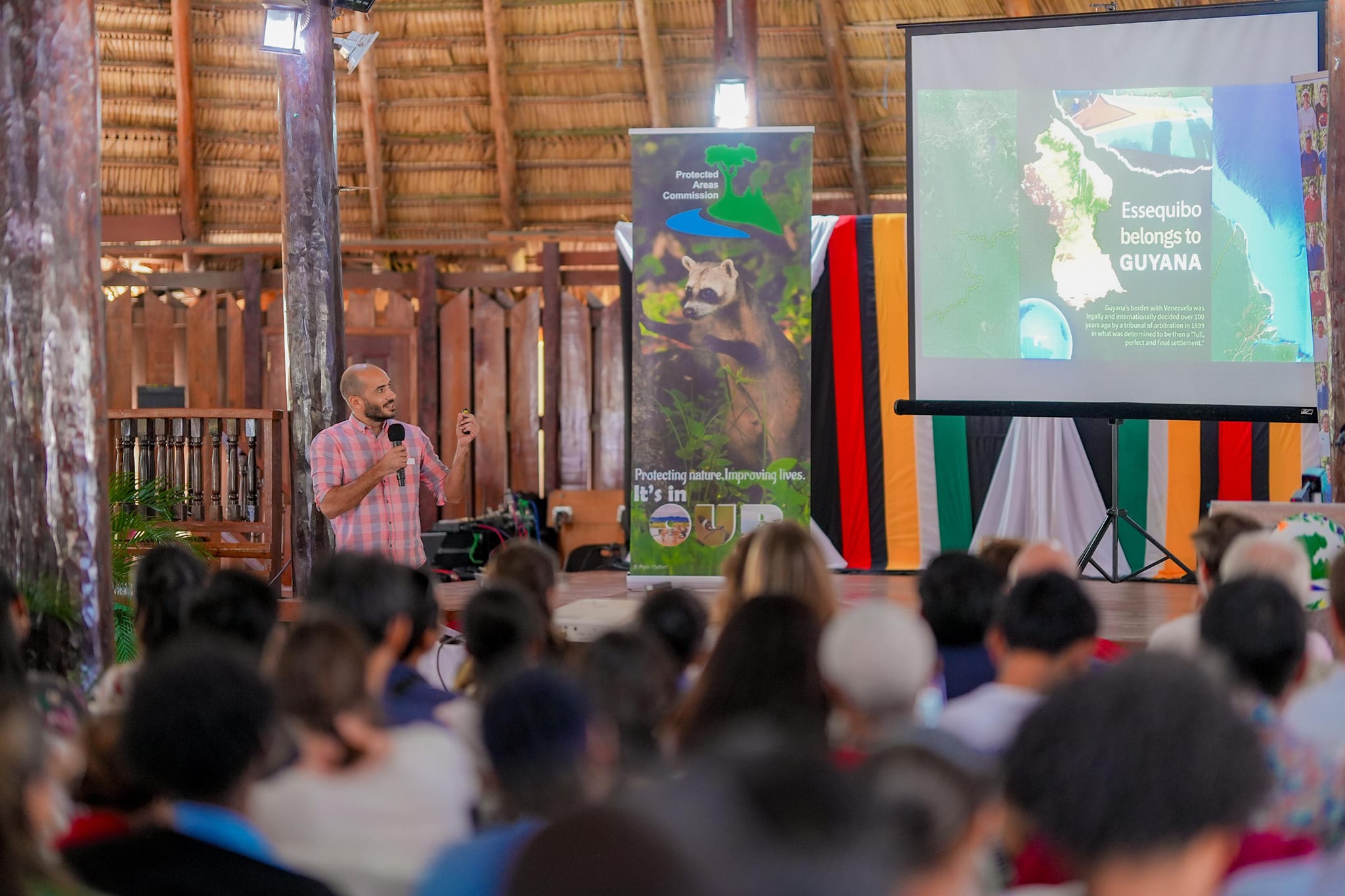


Thirty-nine Guyanese experts, along with 17 from overseas, conducted an expedition in the Acarai-Corentyne Corridor, located in southern Guyana and found new species of plants and animals.
This area is said to be one of the country’s most remote locations that has not been scientifically documented.
The partnership was formed by the Protected Areas Commission (PAC), the Field Museum of Natural History in Chicago, and numerous local Guyanese institutions that boast specialists in geology, plants, fishes, reptiles, amphibians, birds, mammals, soils, and local ecology.
The goal was to complete an assessment that can provide foundational information to inform future conservation decision-making and to determine the viability of the location as a protected area.
A presentation of the preliminary findings of the Rapid Biodiversity Inventory done over the 20-day period was given on Monday at the Umana Yana in Kingston, Georgetown.
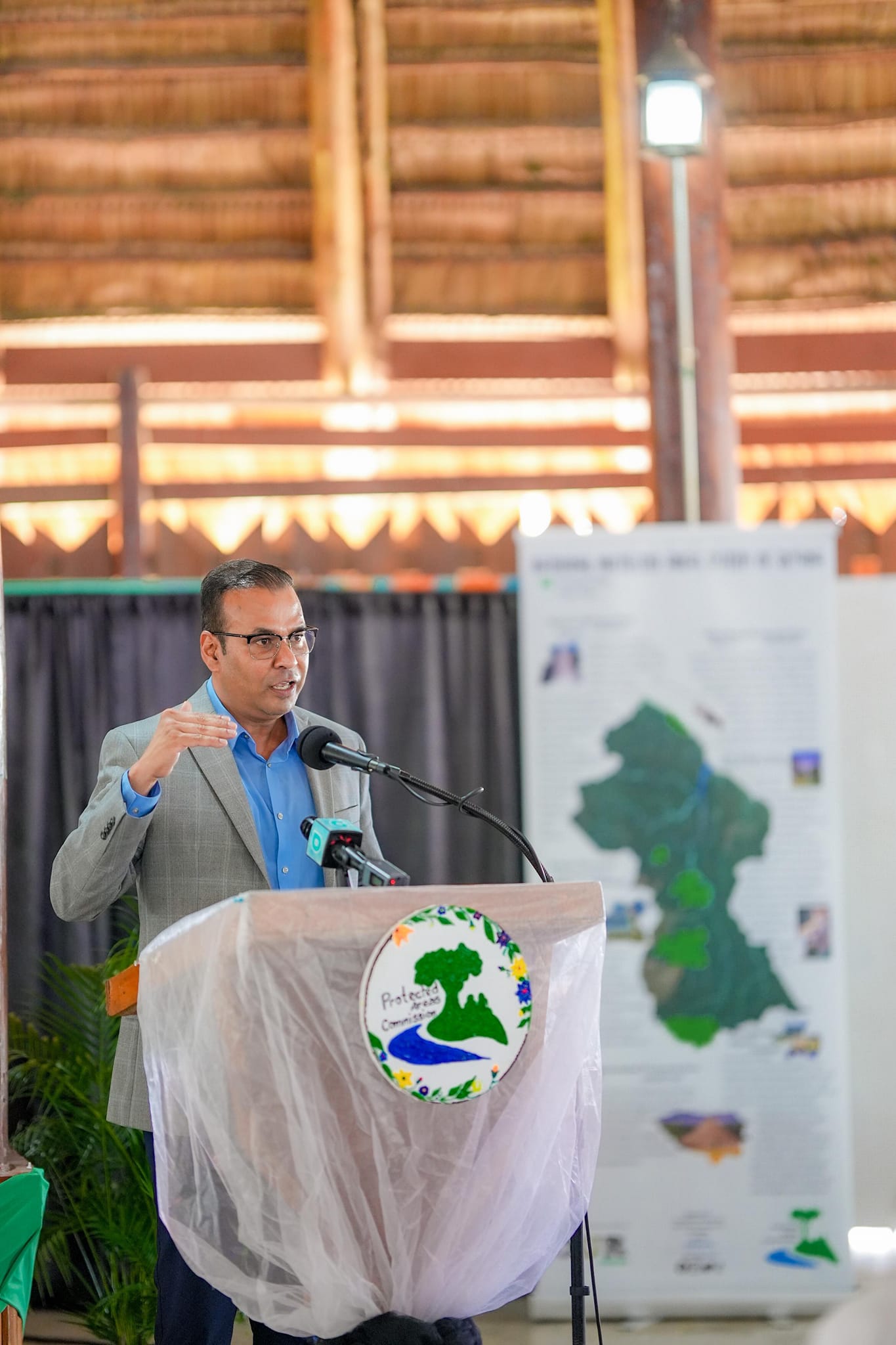
The team recorded more than 600 species of plants and at least 713 species of vertebrates; 22 species that had never before been recorded in Guyana and at least 23 species that are potentially new to science. Sixteen of the species recorded are considered globally threatened.
Expedition leader and Lead Conservation Ecologist at the Chicago Museum Dr. Lesley de Souza said Guyana is a global hotspot for biodiversity and harbors one of the best-protected tracts of rainforest on earth.
“But this area of Guyana has not been scientifically documented. The Amerindian communities know more about these areas than the foreign scientists who come to study the region’s biodiversity. Our goal is to marry these two bodies of knowledge,” she expressed.
Chairman of the PAC Board of Directors Robert Persaud offered that the location is home to diverse ecosystems and species that would prove beneficial to the country’s environmental health.
“I want you to see that your work here today has only now begun. And what you will be presenting us here today will certainly go a very far way in not only informing what local policies and action we take, but also informing what takes place perhaps at the global level,” he told the team.
The expedition forms part of the programme of work on Guyana’s expanded Low Carbon Development Strategy, LCDS 2030, that integrates forest carbon, watershed management, and biodiversity as priority areas of conservation and sustainable management of a low carbon economy.
The Acarai-Corentyne Corridor is a 1.3-million-hectare expanse of wild forests, creeks and mountains. Bounded by two of Guyana’s largest rivers – the Essequibo to the west and the New River to the east – the Corridor stretches 250 km from the highest peaks of the Acarai Mountains in the south to the lowland forests of central Guyana in the north.
This survey of the Guyanese rainforest is the most comprehensive study of the area’s ecology and biodiversity ever performed.

