
 Saturday, June 6, 2026


 Saturday, June 6, 2026


Forests and Foods: A tapestry of livelihood
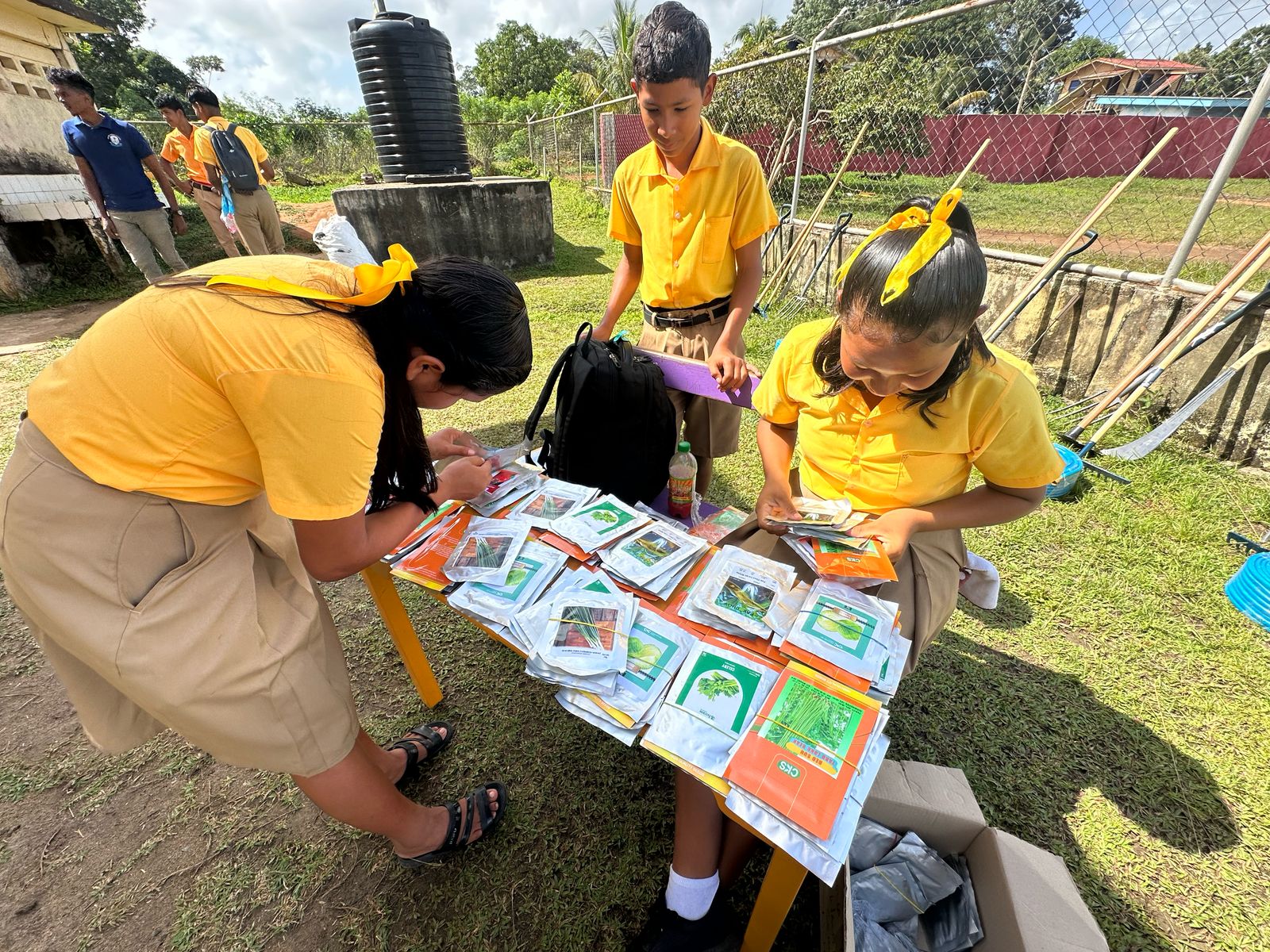


By Shara Seelall of FAO (Guyana)
Guyana is a living testament to the profound and inextricable link between “Forest and Foods”, this year’s theme for International Day of Forests, celebrated on March 21. Beyond the majestic trees and sprawling landscapes, Guyana’s forest is a story of human connection, particularly for its Indigenous Peoples, who have been the ancestral custodians for generations.
With an estimated 18.4 million hectares of forest covering approximately 85% of its land, this extraordinary natural wealth is a significant part of the Guiana Shield representing one of the planet’s most pristine tropical ecosystems. Yet, their true value extends far beyond their ecological significance. They are the bedrock of food security, nutrition, and livelihoods for countless Guyanese, especially the Indigenous communities of the interior regions.
Home to nine Indigenous groups, totaling over 10% of the nation’s population, Guyana’s forested regions are not just a habitat but a home. These communities have a deep, spiritual, and practical connection to the forest, relying on it for food, medicine, and cultural identity. Moreover, they maintain soil fertility, safeguard vital water resources, and support pollinators essential for agricultural productivity, ensuring a sustainable food system.
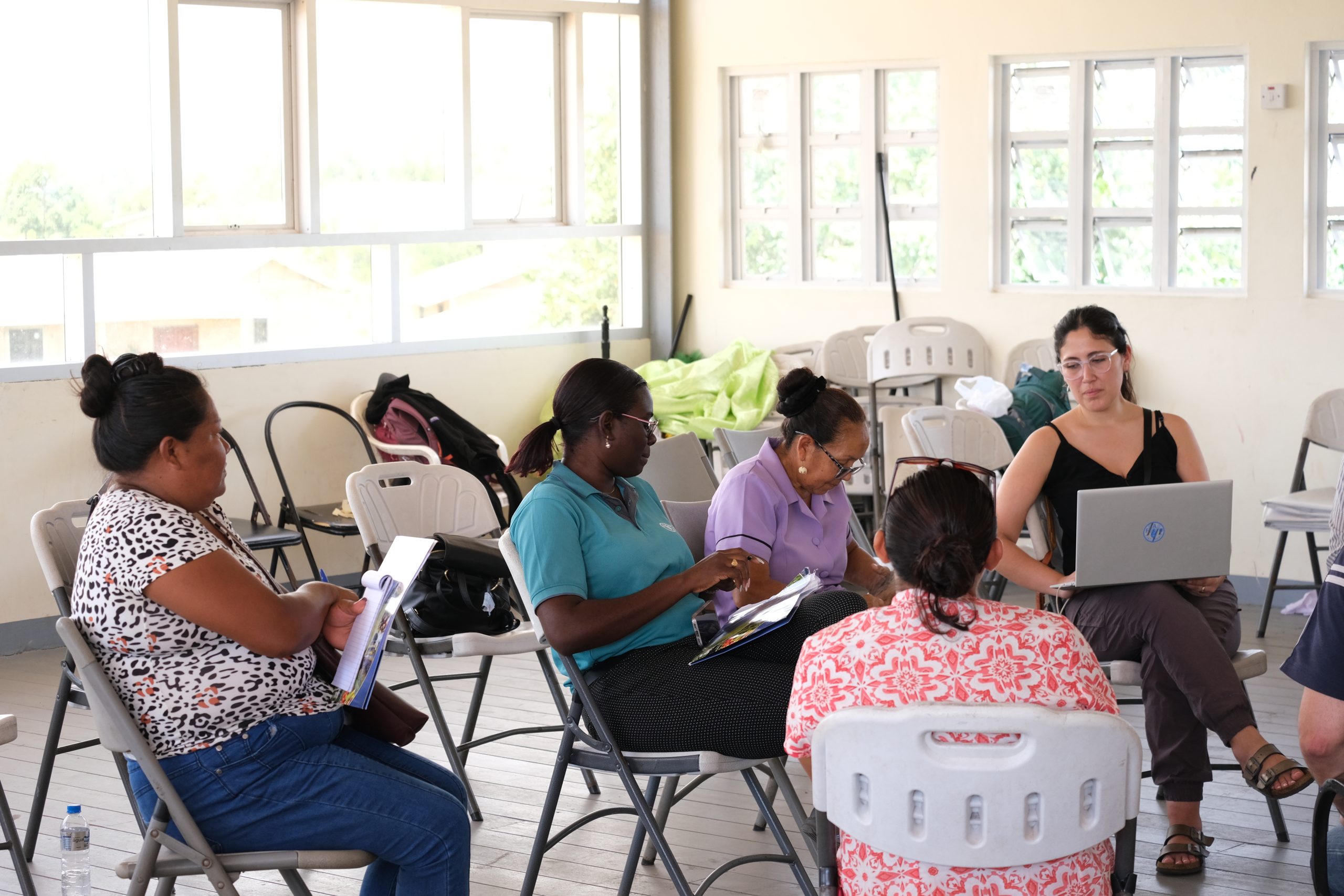
“Forests are not just trees; they are the foundation of our food systems,” emphasizes Gillian Smith, FAO Representative. “From wild fruits and nuts to essential pollinators that support agriculture, forests play a vital role in feeding people and sustaining livelihoods.”
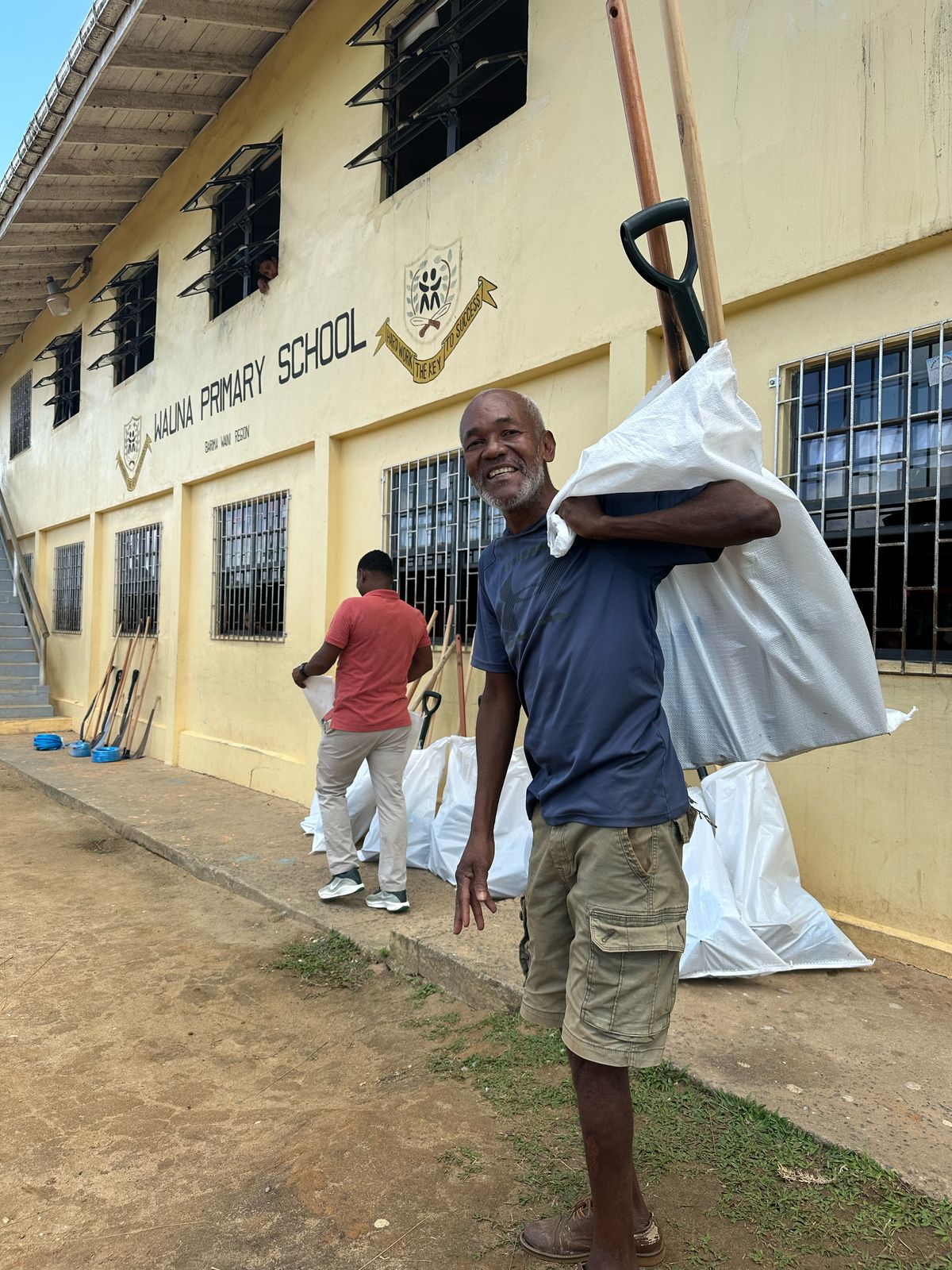
The human connection to these forests is not limited to subsistence. Over 25,000 people are directly employed in wood-based industries, ranging from construction to artisanal crafts, utilizing the forest’s resources sustainably. Non-wood forest products like honey, crabwood oil, and medicinal plants contribute significantly to the local economy and offer diverse livelihood opportunities. Ecotourism, thriving on the natural beauty of these forests, further generates employment and income, bridging conservation with economic development.
The Food and Agriculture Organization of the United Nations (FAO) recognizes the important role of Indigenous stewardship and continues to support Guyana’s effort to sustainably manage this vital resource and enhance agriculture production in forest-based communities. Through a joint initiative with the World Food Programme (WFP), and the Ministries of Agriculture and Education, a pilot home-grown school feeding initiative was undertaken in Wauna, Region One, and Nappi, Region 9. This initiative promoted healthy meals using locally grown ingredients.
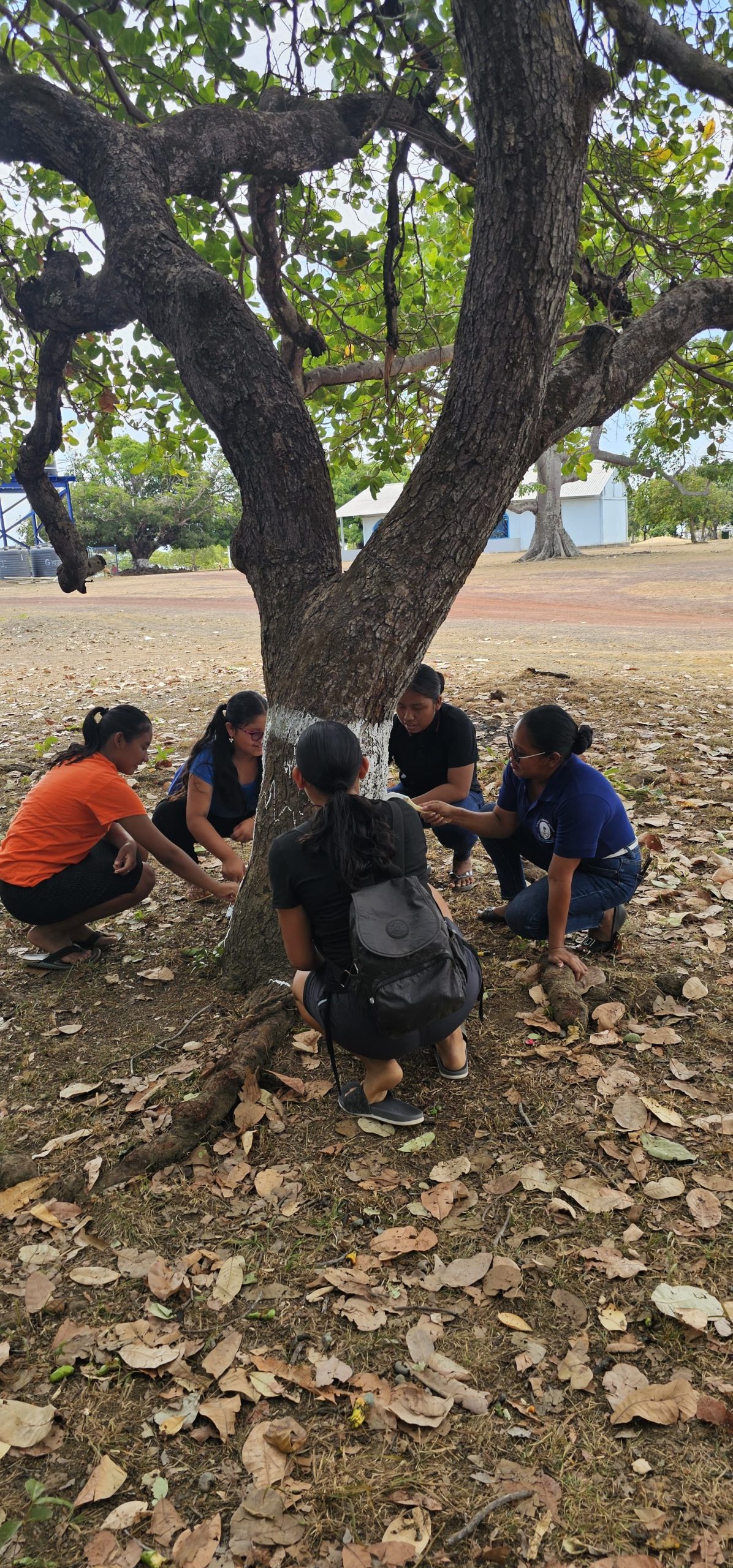
Using a supply and demand model, the programme focussed on improving production practices among farmers as well as promoting healthy eating among children through agricultural clubs, school gardens, and shade house planting.
To date, farmers have been equipped with new agricultural tools to scale up production and the capacity of school administrators has been strengthened to source healthy locally grown produce for their feeding programme.
Guyana’s forests are a living pharmacy, holding centuries of traditional remedies. In Region 9, we are collaborating with the ‘Medicine from Trees’ women’s group to increase their product supply and market potential. Deeply connected to their ancestral heritage, the group is producing an indigenous neem salve used for various external skin remedies, drawing directly from the forest’s bounty.
This initiative is a powerful example of how forests can provide both health and economic benefits, while also reinforcing the importance of Indigenous knowledge in sustainable forest management. The ‘Medicine from Trees’ group is also helping to sustain cultural legacy and stewards of their forest environment. Their work demonstrates the interconnectedness of forests, health, and community well-being, embodying the true spirit of the International Day of Forests.
In partnership with the Guyana Forestry Commission and funding from the European Union, FAO is supporting efforts to scale up the value-added wood products sector by strengthening small and medium-sized forest enterprises and improving sawmill safety and productivity.
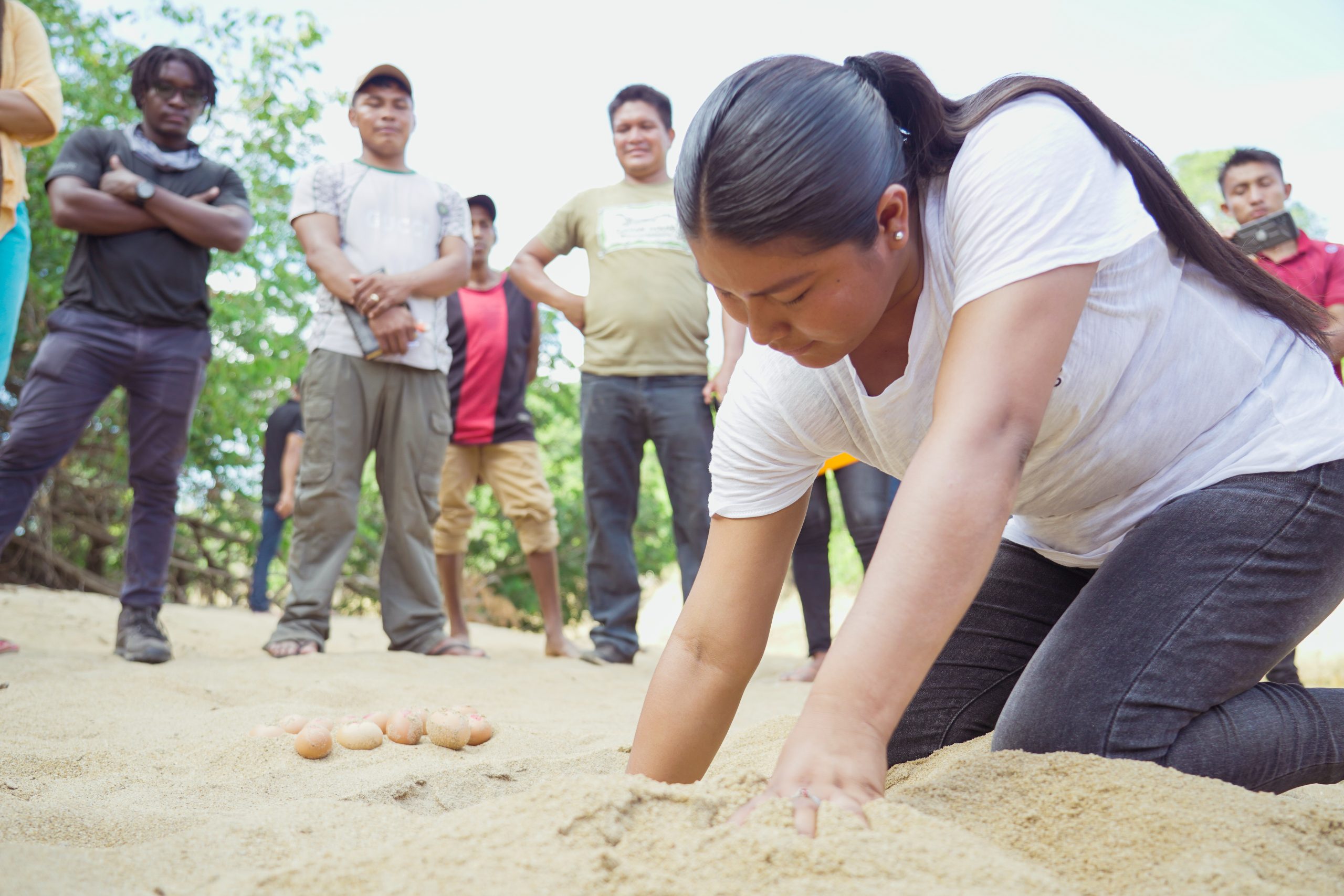
Through the Sustainable Wildlife Management (SWM) Programme, vital conservation and ecotourism initiatives are promoted in the Rupununi region, safeguarding Guyana’s unique wildlife. We are also supporting initiatives to restore degraded mining sites, contributing to ecosystem recovery and carbon sequestration through the Sustainable Land Development Management (SLDM) project.
Forests are not merely a resource; they are a living, breathing part of the nation’s identity, providing food, livelihoods, and essential ecosystem services. As we celebrate International Day of Forests 2025, let us recognize the role of Indigenous people who are sustainably managing the forest to ensure that this vital resource continues to thrive for generations to come.

