
 Saturday, June 6, 2026


 Saturday, June 6, 2026


Turtle conservation in focus at Nappi
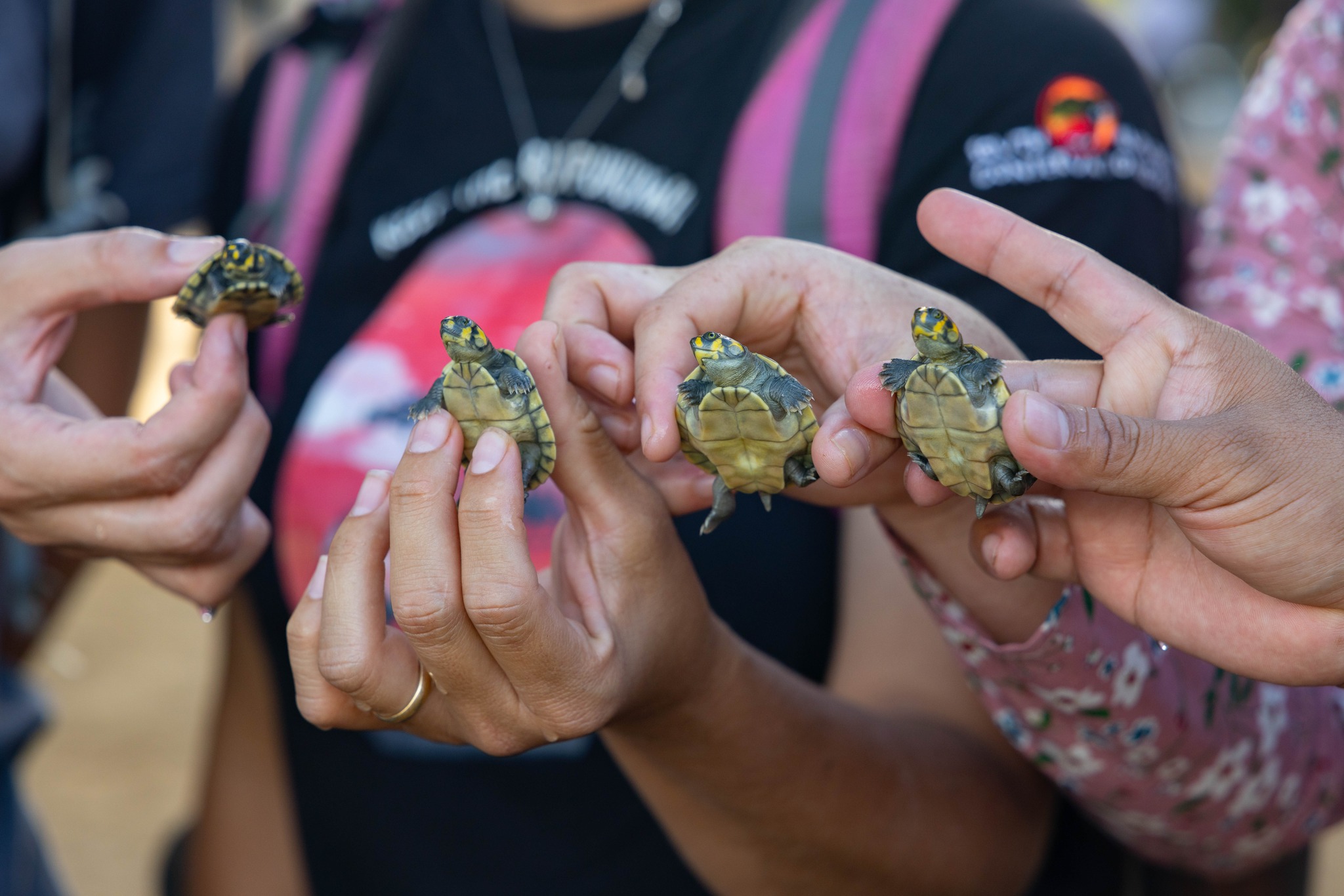


Stakeholders part of the Sustainable Wildlife Management (SWM) Programme are upping efforts to protect turtles in the Rupununi at Nappi. This is part of a broader initiative to promote sustainable conservation in Guyana’s Rupununi region.
In November last year, the Nappi Turtle Farm was officially launched with an initial donation of 98 turtles.
Country Coordinator of the SWM Programme, Oswin David, said the initiative aims to support local communities in preserving key turtle species while maintaining traditional practices. As part of the effort, a learning exchange trip to Brazil is underway.
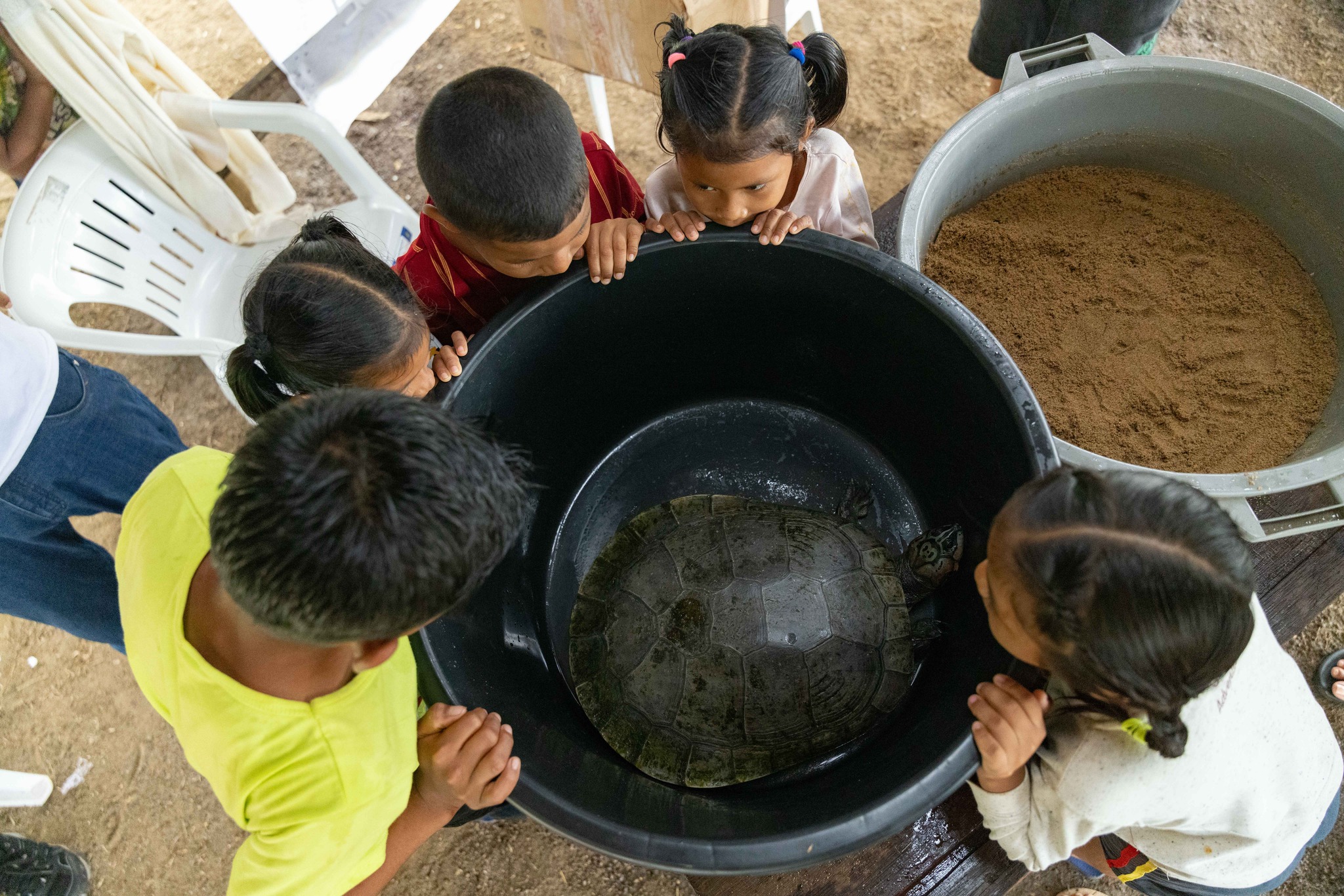
Meanwhile, efforts are deepening across five riverine communities to monitor the yellow-spotted river turtle and the giant river turtle.
The communities are Sand Creek, Yupukari, Katoka, Rewa, and Apoteri. All five communities are located near the Kanuku Mountains Protected Area and rely heavily on nearby rivers for their livelihood.
“The activities include turtle monitoring looking at one specie which is the yellow spotted turtle, however recently there has been an increase of the giant river turtle in those areas so we have been monitoring those two species now,” David stated.
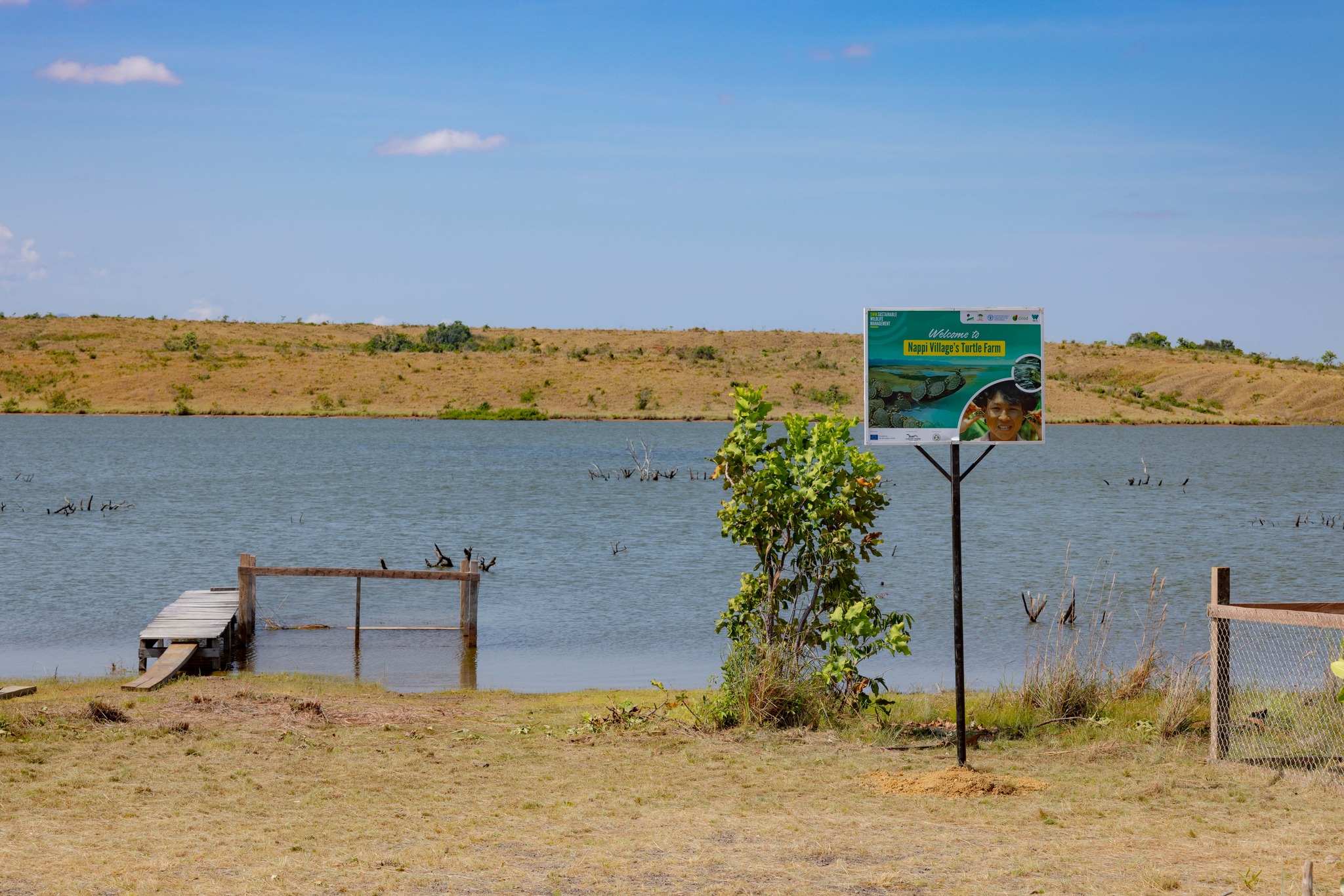
David noted that environmental challenges like unpredictable rainfall and droughts have impacted turtle nesting patterns.
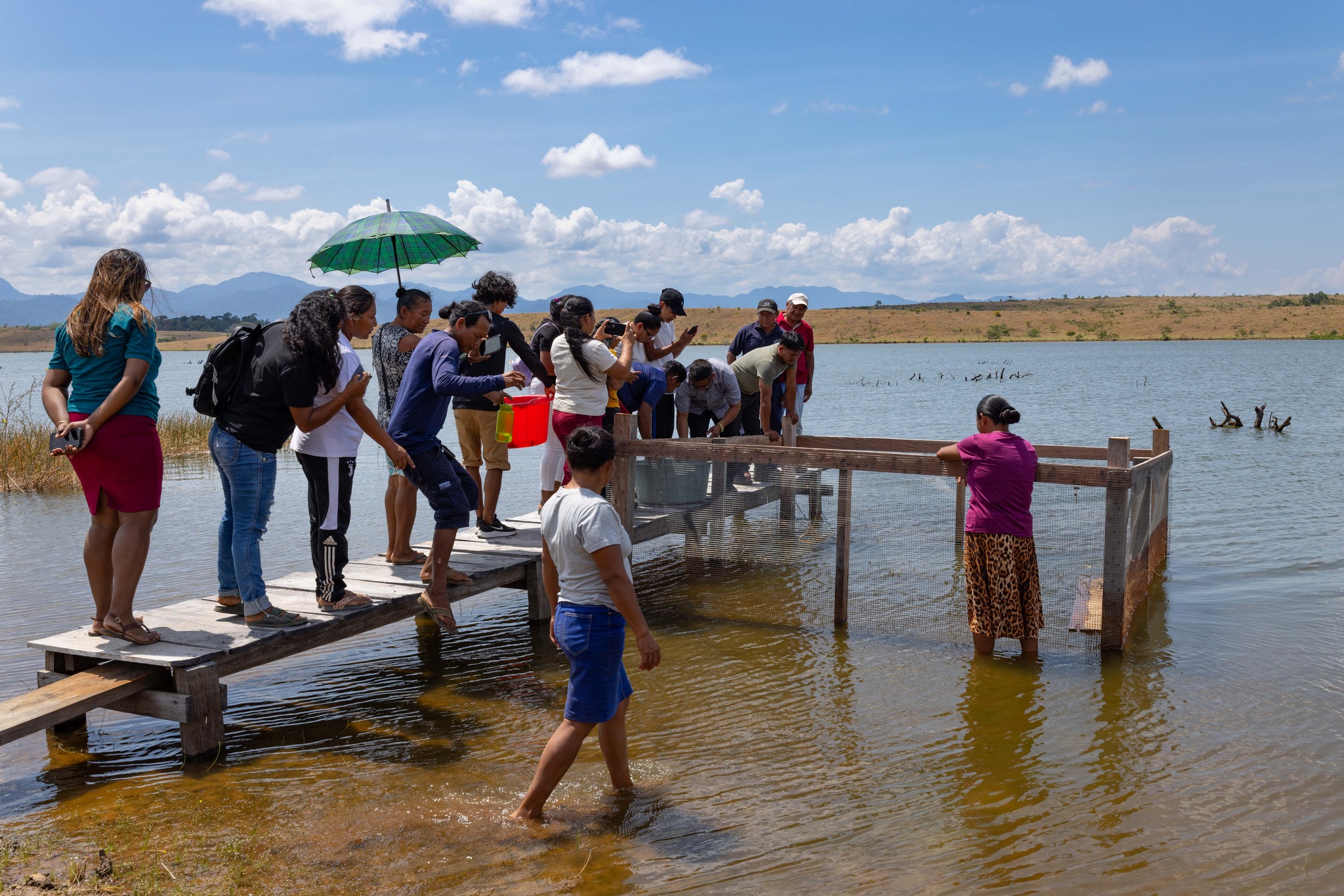
In response, the programme has developed ex-situ hatchling areas in Sand Creek and Yupukari.
“When we experience early flooding, monitors relocate eggs from the riverbanks to ex-situ hatchling areas,” David said. This ensures the turtles are safe during incubation and once they have hatched, they are released back into the river.
To further raise awareness and celebrate biodiversity, the SWM Programme hosts two turtle festivals in the Rupununi.
The turtle festivals aim to boost the local turtle populations through community-led sustainable approach.
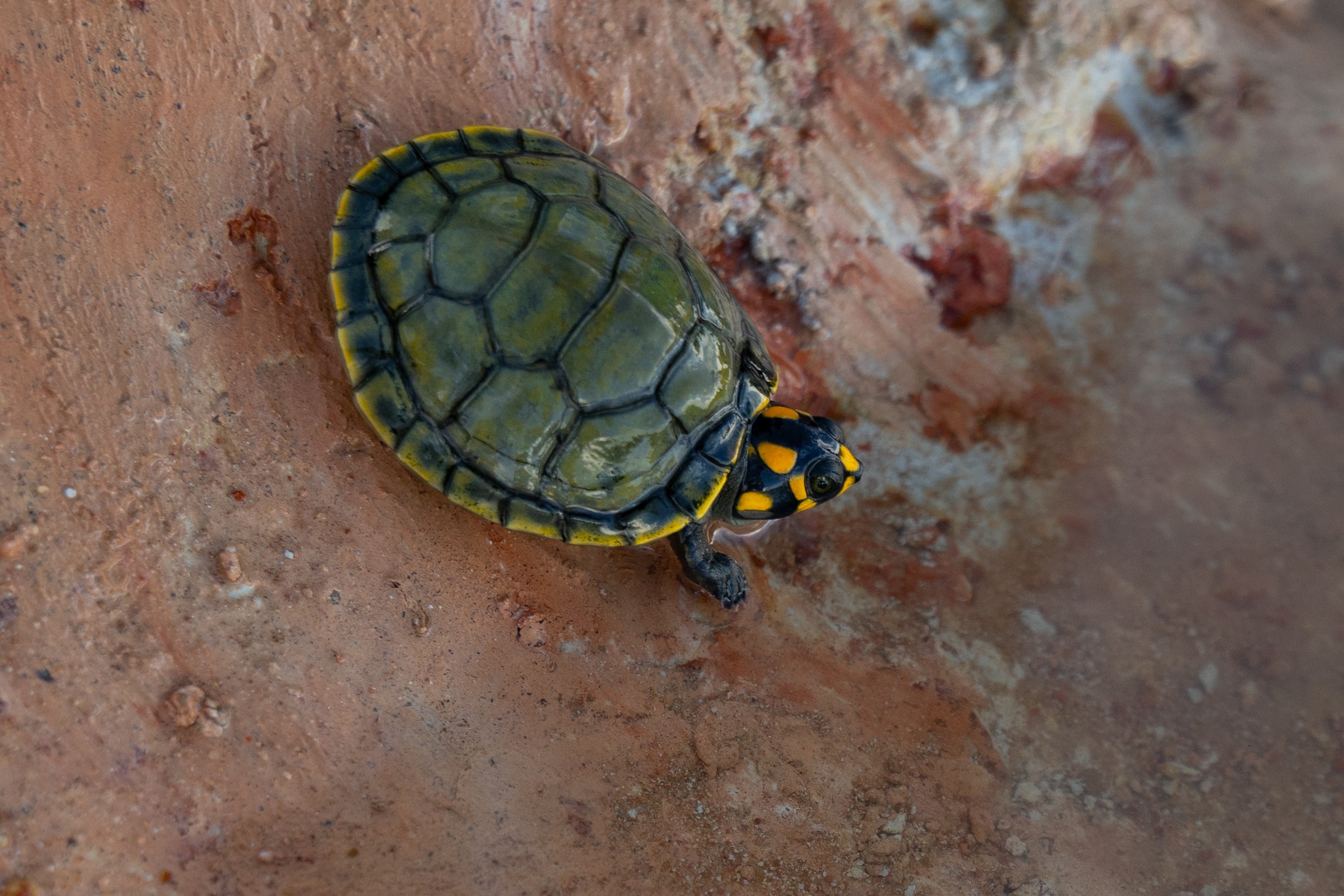
Earlier this year in May, Yupukari held their turtle festival where 400 turtles were set free into the Rupununi River. Sand Creek’s festival will be held before the end of this year.
“During the festivals the participants will release the turtles that hatched in the sandbank back to the wild,” David said.
The SWM Programme has also introduced a new biodiversity component aimed at assessing and preserving critical species and habitats across seven communities in Region Nine.
The biodiversity programme is currently active in seven communities and has already completed four months of work. Activities will resume in September during the dry season and continue until December.
Key methods being tested include camera trapping, environmental DNA (eDNA) sampling, acoustic monitoring, fish stock assessments, and traditional ecological knowledge surveys. The goal is to develop a standard, scientifically verifiable approach to biodiversity assessment that is cost-effective and scalable.

